
Find Everything You Need.
Filter:
Filter:



















See Our Latest Blogs
Stay up-to-date with our latest insights, tips, and trends by diving into our newest blogs. Whether you're seeking industry expertise, marketing strategies, or product inspiration, our blog section is your go-to resource for valuable content.

What Helps Childcare Leaders Stay in This Work Long Term?
What Helps Leaders Stay in This Work Long Term?
Q: What helps leaders stay in this work long term?
A: Clarity and support.
Childcare leadership is demanding.
The pace is constant.
The expectations are layered.
The emotional load is real.
Leaders rarely leave because they stop caring.
They leave when the work feels unclear and isolating.
Longevity requires more than commitment.
It requires structure.
Clarity Reduces Decision Fatigue
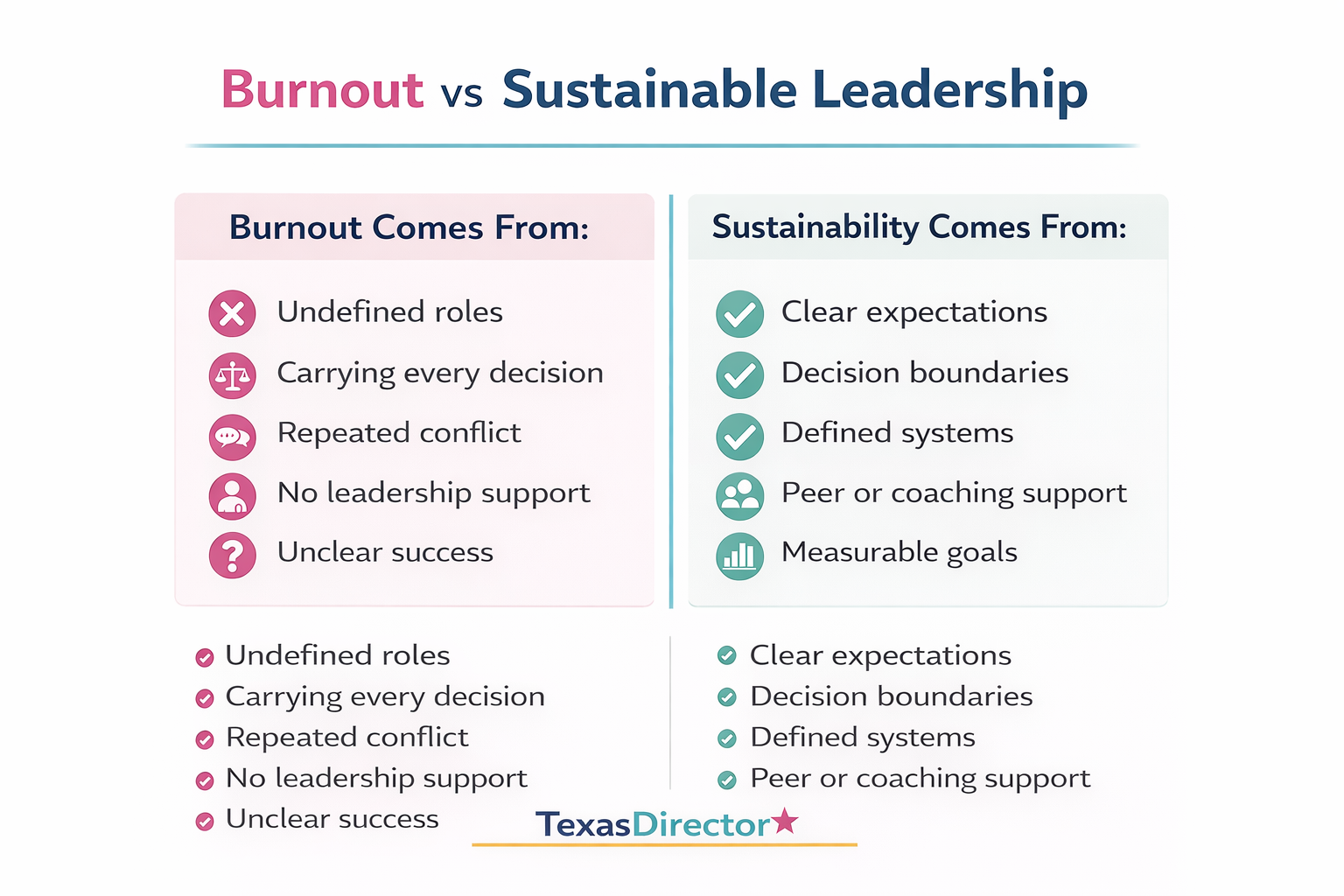
When roles are unclear, leaders carry extra decisions.
When expectations are vague, leaders absorb repeated conflict. When success is undefined, leaders second-guess themselves. Clear leadership language reduces invisible strain.
Clarity around:
• Who owns which decisions
• What standards look like in daily practice
• When to escalate and when not to
• What success actually looks like in your childcare center
Without clarity, everything feels urgent. With clarity, urgency narrows.
That difference protects stamina.
Support Prevents Leadership Isolation
Many childcare directors operate as the center of gravity.
Staffing issues flow to you.
Parent concerns flow to you.
Compliance questions flow to you.
Budget adjustments flow to you.
If there is no system of support, every decision lands in one place. Over time, that erodes energy.
Support does not always mean hiring more people.
It can mean:
• Clear decision-making boundaries
• Written systems that reduce repeated explanations
• A peer network of other childcare leaders
• Coaching conversations that create perspective
Leaders last longer when they are not carrying everything alone.
Personal Effort Is Not a Long-Term Strategy
In the early years of leadership, effort carries momentum. You stay late. You fix problems quickly. You step into every gap.
That works temporarily.
It does not scale.
Long-term childcare leadership requires:
Systems instead of heroics.
Shared ownership instead of silent compensation.
Defined processes instead of reactive fixes.
When leadership depends entirely on personal stamina, burnout is predictable. When leadership rests on structure, stability increases.
Define What Success Actually Means
One of the hidden drains in childcare leadership is unclear success criteria. If success is never defined, leaders feel perpetually behind. This should be a discussion with the other members of your team: your owner or board, your team leads, and key stakeholders, like influential parents.
Is success:
Stable enrollment?
Low staff turnover?
Strong parent communication?
Compliance confidence?
Personal balance?
Clarity about success lets you measure progress realistically rather than emotionally. It reduces comparison. It reduces second-guessing. It reduces unnecessary pressure.
Longevity Is Built Through Systems
Meaningful work is not enough to sustain a leadership career. You probably entered childcare and early education because you enjoy working with children. Stepping into leadership reduces the time you spend working this way. If you don’t set up systems, you may be so caught up in reacting to crises that you NEVER get into the classroom to get a dose of that sweet early childhood play time.
Clarity protects leadership capacity. Support protects perspective. Systems protect energy.
If you want to stay in this work long term, you cannot rely on effort alone. You have to intentionally design your leadership.
That means defining roles clearly.
That means establishing decision-making boundaries.
That means choosing measurable indicators of success.
That means building language that reduces repeated strain.
Longevity is not accidental. It is built.
If You Are Ready to Strengthen Your Leadership for the Long Term
Childcare leaders like you don’t need more information.
You need structured support.
You need space to think strategically rather than react daily.
You need clarity about what to prioritize.
You need reinforcement when systems start to drift.
Leadership development is not a luxury. It is protection.
When you invest in coaching or credential-based development, you are not adding pressure. You are reducing it. You are building infrastructure under your leadership so the weight is not carried alone.
If you want to lead for the long term rather than survive year to year, now is the time to strengthen your systems and support.
Sustainable leadership is possible.
But it is built on purpose.
Frequently Asked Questions About Childcare Leadership Burnout
Why do childcare directors burn out?
Childcare directors often burn out due to unclear roles, constant decision-making, staffing pressures, and a sense of isolation in leadership. Without defined systems and support, the workload becomes emotionally and mentally draining.
How can childcare leaders avoid burnout?
Childcare leaders avoid burnout by clarifying roles, setting decision-making boundaries, defining measurable success, and building systems that reduce repeated strain. Structured support, such as coaching or peer networks, also increases sustainability.
Does burnout mean a director is not strong enough?
No. Burnout usually reflects unclear systems or a lack of support, not a lack of strength. Even experienced childcare leaders need clear structure and shared ownership to sustain long-term leadership.
What creates sustainable childcare leadership?
Sustainable childcare leadership is built on clarity, support, and repeatable systems. When expectations are defined, and leadership is not carried alone, directors are more likely to remain in the field long term.
